
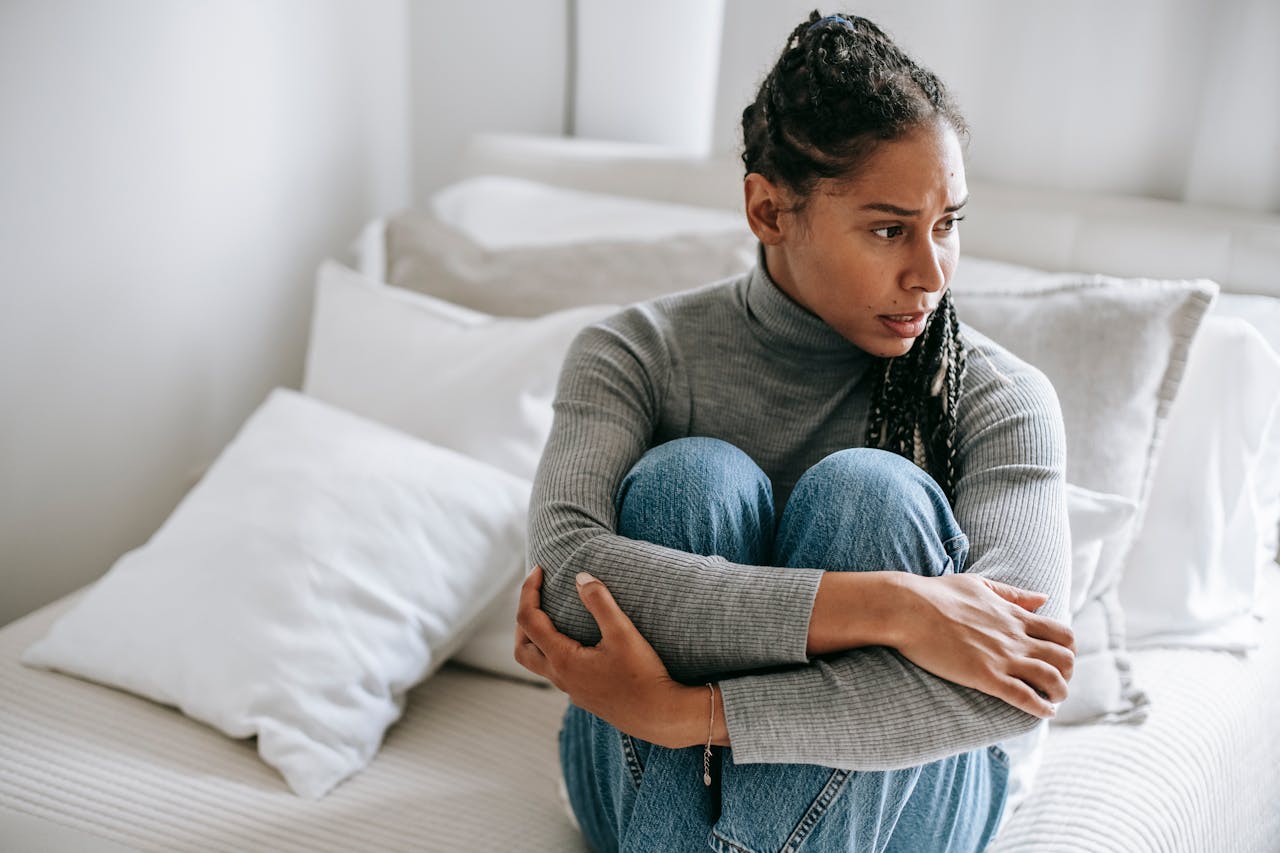
How Anxiety, Trauma, and Emotional Triggers Affect Your Relationship

Relationships can be one of the greatest sources of connection, comfort, and support, as well as the place where anxiety, past trauma, and emotional wounds show up most clearly.
You may notice yourself becoming easily overwhelmed during conflict, shutting down emotionally, needing constant reassurance, or reacting more intensely than you want to. Sometimes these patterns can feel confusing, especially when part of you knows your partner is not the enemy, yet your body and emotions respond as though you are under threat.
These experiences are more common than many people realize. Anxiety, trauma, and emotional triggers often shape the way we communicate, connect, protect ourselves, and navigate closeness in relationships.
For couples therapy or support with another relationship, call out licensed therapists in Sacramento. We provide expert anxiety counseling, trauma and PTSD therapy, and more. We are here to help; you just need to call.
What Are Emotional Triggers?
We hear the word “trigger” a lot these days. An emotional trigger is a strong emotional reaction connected to a past experience, unmet need, or emotional wound. Triggers are not simply “overreactions.” They are what happens when your nervous system is attempting to protect you from pain, rejection, abandonment, criticism, shame, or emotional danger.
A trigger may happen when:
- A partner becomes distant or withdrawn
- Conflict feels emotionally intense
- Communication feels critical or dismissive
- You feel misunderstood, rejected, or unheard
- There is uncertainty or disconnection in the relationship
Even small moments can activate deeper emotional experiences, especially when anxiety or unresolved trauma is present.
How Anxiety Can Affect Relationships
Anxiety does not stay contained within the individual. It frequently influences how couples communicate, navigate conflict, seek reassurance, and experience emotional connection with one another.
Someone struggling with anxiety may:
- Overthink conversations or interactions
- Need reassurance more frequently
- Fear conflict or abandonment
- Become emotionally reactive during stress
- Avoid difficult conversations altogether
- Feel pressure to “fix” relationship problems immediately
Over time, anxiety can create cycles where one partner pursues reassurance while the other feels overwhelmed, withdrawn, or unsure how to help. Both people may begin feeling disconnected, misunderstood, or emotionally exhausted.
How Trauma Shows Up in Relationships
Trauma can shape the way people experience safety, trust, vulnerability, and emotional intimacy.
Past experiences of childhood emotional neglect, difficult family dynamics, unhealthy relationships, betrayal, or other painful experiences can continue affecting present-day relationships long after the original events occurred.
Sometimes trauma shows up as:
- Emotional shutdown or numbness
- Difficulty trusting others
- Fear of vulnerability
- Sensitivity to criticism or rejection
- Feeling “too much” or not enough
- People-pleasing or over-accommodating
- Becoming defensive during conflict
- Pulling away when closeness feels overwhelming
Many people blame themselves for these patterns without realizing their nervous system may be responding from a place of protection.
Why Relationship Conflict Can Feel So Intense
Conflict in relationships often touches deeper emotional fears and needs:
- “I am too much.”
- “Will I still be loved if I am honest?”
- “Am I emotionally safe here?”
- “I am going to be rejected.”
- “Conflict means something is wrong with us.”
- “Will this relationship survive how I really feel?”
When anxiety or trauma is involved, arguments can quickly stop being about the surface issue and become connected to deeper emotional pain.
This is one reason couples often find themselves having the same fight over and over again. The underlying emotional needs and fears have not been fully addressed, so they keep making their way to the surface.
Healing Is Not About Blame
Understanding how anxiety, trauma, and emotional triggers affect your relationship is not about assigning blame to yourself or your partner.
It is about developing awareness, compassion, and new ways of responding.
Therapy can help individuals and couples:
- Understand emotional patterns more clearly
- Improve communication and emotional safety
- Learn how to regulate overwhelming emotions
- Build healthier relationship dynamics
- Process unresolved trauma
- Strengthen trust, connection, and intimacy
Healing often begins when people move away from seeing each other as the problem and begin understanding the patterns that keep them stuck.
Therapy Can Help You Feel More Connected
Whether you are struggling with anxiety, emotional overwhelm, relationship conflict, or the lingering effects of past experiences, support can help you better understand yourself and your relationships.
At Embrace Therapy & Marriage Counseling, we provide individual therapy and couples therapy for people navigating anxiety, trauma, emotional disconnection, relationship struggles, and patterns that feel difficult to change alone. From infidelity counseling to maternal mental health therapy, we are here to help you.
Therapy can help you move toward greater self-understanding, emotional resilience, and more connected relationships.